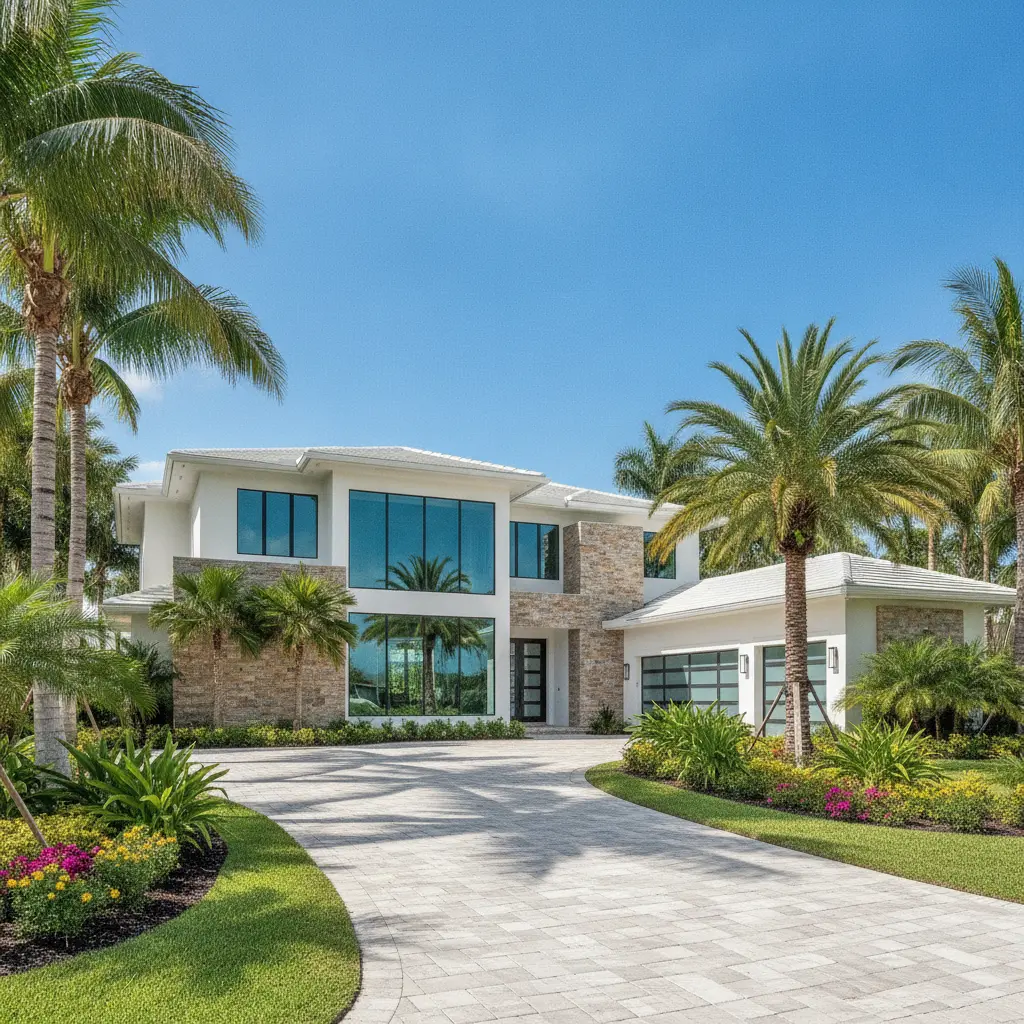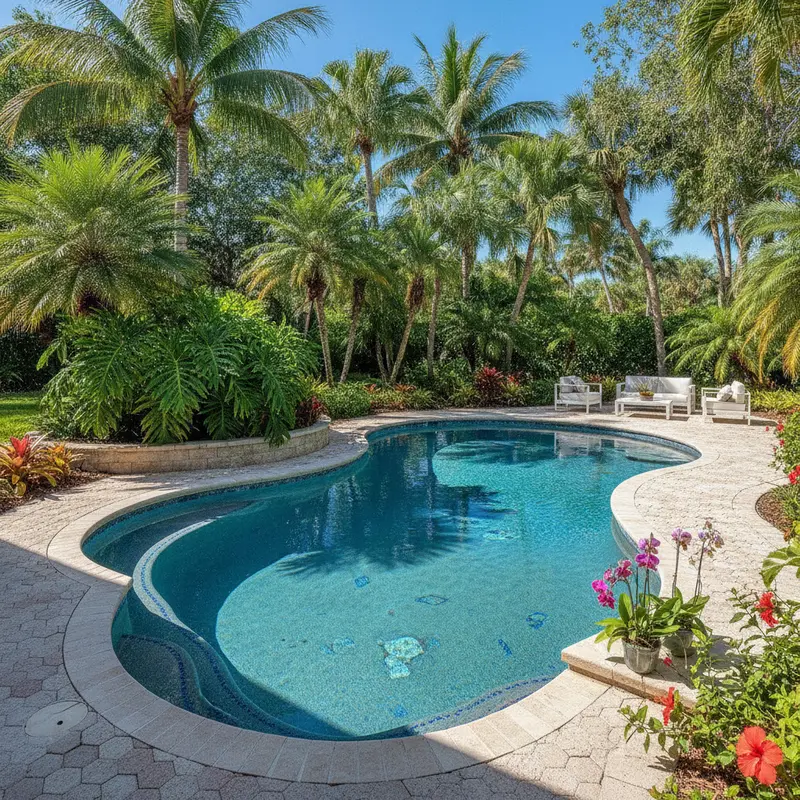
Sandy soil, a high water table, and salty coastal air punish backyard pools. Fiberglass answers all three better than poured concrete does down here.
South Florida Soil Is Hard on Pools
Dig anywhere in Broward or Palm Beach County and you hit sand fast. Sandy soil shifts. It drains quickly after a storm, then settles unevenly as it dries. A poured concrete shell sitting in that ground is fighting movement the whole time it cures and for years after.
The water table makes it worse. In much of South Florida, groundwater sits only a few feet down. That pressure pushes up on any pool from below. Concrete shells crack when the ground moves; a one-piece fiberglass shell flexes slightly with it instead of fracturing.
Limestone near the surface adds another wrinkle. Pockets of soft rock can leave an uneven base if a crew does not prep the hole correctly. A fiberglass shell sits in an engineered bed of gravel and sand that spreads the load evenly, which is forgiving on ground like ours.
Heavy seasonal rain stresses the soil even more. A summer of afternoon storms saturates the ground, then the dry season pulls it back tight. Concrete sitting through that wet-dry cycle year after year is under constant strain. A fiberglass shell takes the same movement in stride, which is why it lasts so long in this part of the state.
That difference drives a lot of the long-term value. We install fiberglass pools across South Florida precisely because the material was built for ground that does not hold still.
Salt Air and Chlorine Both Lose to Fiberglass
Coastal living means salt in the air, and a lot of homeowners run salt-chlorine systems on top of that. Salt is brutal on porous surfaces. A plaster or concrete interior is porous by nature, so it pits, stains, and needs resurfacing every decade or so.
Fiberglass has a gelcoat surface that is non-porous. Salt cannot work its way in the way it does with plaster. The water stays clearer with less chemical balancing, and algae has far less to grab onto. For a backyard a few miles from the Atlantic, that matters every single week.
Less chemistry also means a gentler pool on bare feet and swimsuits. The smooth gelcoat does not scrape the way a rough plaster finish can, and there is no annual acid wash to schedule. Over a decade, the maintenance savings are real.
As a San Juan fiberglass pool dealer, we install shells engineered for exactly this kind of salty, sun-heavy environment. The gelcoat is the part doing the quiet work for years.
Faster Install Means Less Disruption
A concrete pool is built in your yard over many weeks. Excavation, rebar, gunite, cure time, tile, plaster, and multiple inspections all stack up. In South Florida's summer, an afternoon storm can stall any of those steps.
A fiberglass shell arrives already manufactured. We excavate, set the shell, plumb it, backfill, and pour the deck. The on-site timeline is dramatically shorter because the hardest fabrication already happened in a controlled factory, not in your wet backyard.
Fewer days of open excavation also means less risk during storm season. An open concrete dig that floods is a real problem. A shell that is set and backfilled quickly rides out the weather far better.
The shorter timeline is easier on your household too. Heavy equipment sits in the yard for days, not months, and your family gets the backyard back sooner. For homes with kids or pets, that compressed schedule is a quiet win.
It is also gentler on your landscaping and your neighbors. A long concrete build means weeks of trucks, dust, and noise next door. Setting a shell and pouring the deck wraps up the loud, messy phase quickly, so the disruption to the whole street is brief rather than drawn out across a season.
Permitting and Install Done Right the First Time
A pool is a permitted structure, and South Florida inspectors are thorough about setbacks, barriers, and electrical bonding. A botched bond or a missed barrier fails inspection and stalls your summer. As a building contractor first, we treat the pool as part of a larger job, not a drop-in product.
That construction background matters when a pool ties into a deck, a screen enclosure, or a wider renovation. We coordinate the trades the same way we run construction project management on any build. The pool, the deck, and the inspections move on one schedule.
It also helps when the lot has constraints. Tight side yards, easements, and drainage rules all shape where a pool can go, and a contractor used to reading plans spots those issues before the dig, not after. Getting it right the first time keeps your summer on track.
From our Coral Springs base we cover pool installation across Palm Beach County and down through the Keys. And if your yard already has a stalled project blocking the pool, our guide to taking over an abandoned construction job walks through clearing that first.
Caring for a Fiberglass Pool in the Florida Sun
The reward for choosing fiberglass shows up after the install. Day-to-day care is lighter than a plaster pool, but the South Florida climate still asks a few things of you. Strong sun and frequent rain swing your water chemistry around more than they would up north.
Check the water balance weekly, especially through the rainy season when heavy downpours dilute your levels in an afternoon. The smooth gelcoat keeps algae from taking hold easily, so a simple brush and a balanced chemical routine usually keep the surface clean. There is no rough plaster for grime to cling to.
Watch the water level during a drought or before a storm. Because a fiberglass shell sits against South Florida's high water table, draining it fully without a plan can let groundwater push the empty shell upward. That is a job for a professional, never a DIY weekend project. If a hurricane is coming, leave the water in the pool.
With basic attention, a fiberglass pool holds its finish for many years before it needs any real work. That low-maintenance payoff is a big part of why so many backyards across Broward and Palm Beach have moved away from concrete. The pool ends up giving back far more weekends than it asks for.
Resale value is part of the picture too. A clean, low-maintenance pool reads as an asset to buyers, not a chore waiting to happen. In a market full of older plaster pools due for resurfacing, a well-kept fiberglass shell stands out. It is one of the few backyard upgrades that holds its appeal for the long run.
Frequently Asked Questions
How long does a fiberglass pool installation take?
Most installs run a few weeks from excavation to a swimmable pool, far faster than a poured concrete build. The shell is manufactured before it arrives, so the on-site work focuses on setting, plumbing, backfill, and the deck.
Are fiberglass pools good for South Florida's high water table?
Yes. A one-piece fiberglass shell flexes with shifting sandy soil instead of cracking the way concrete can. Proper backfill and a groundwater relief plan are standard on every pool we set for homeowners across Broward County and beyond.
Do fiberglass pools handle salt systems well?
They handle them better than plaster. The non-porous gelcoat surface resists salt, so it will not pit or stain the way a porous concrete interior does. A salt-chlorine system pairs cleanly with a fiberglass shell in our coastal climate.
Can you install a pool as part of a bigger renovation?
Yes. We fold the pool into the wider job, the same way we handle new builds and home conversions, coordinating deck, enclosure, and inspections together. Call our Coral Springs office at (561) 294-1200 to plan it.